We compared manufacturer specs, manuals and warranty terms. We have not hands-on tested these products yet. How we research
We may earn a commission when you buy through links on this page. As an Amazon Associate I earn from qualifying purchases. How we make money
Every smoker does the same job: hold the air at a low, steady temperature for hours while wood smoke flavors the food. They differ in how much attention that takes. Electric and pellet smokers mostly run themselves; offsets and charcoal verticals reward a cook who likes managing a fire. This guide helps first-time smoker buyers match the type to their patience.
We compared 5 smokers and picked 5.
Our picks at a glance
1
Best overallWeber Smokey Mountain Cooker 18"A vertical charcoal smoker with two grates and a water pan that holds steady low-and-slow temperatures for hours.
Currently unavailable on Amazon
2
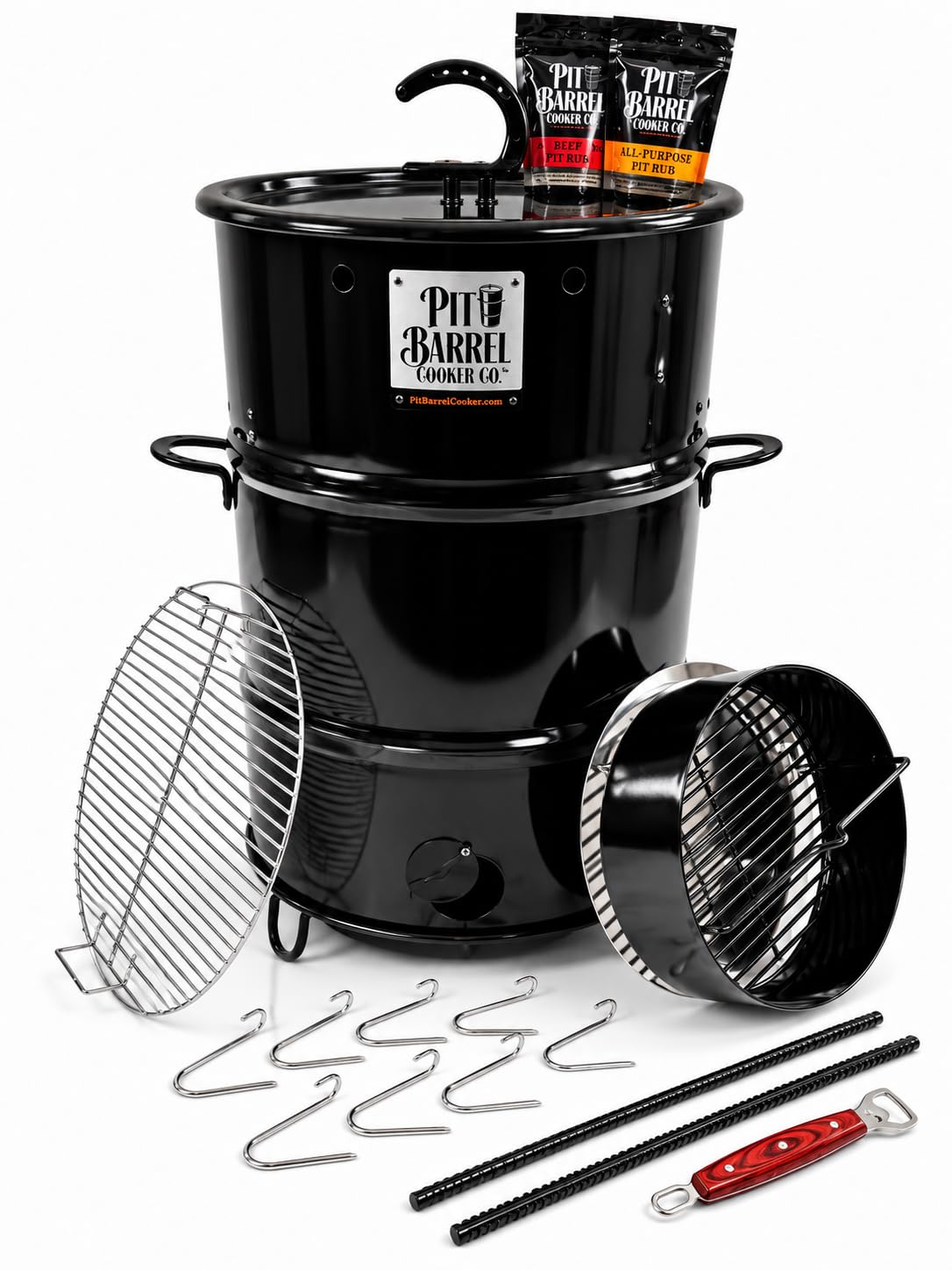
Best for beginnersPit Barrel Cooker 18.5"A drum smoker that hangs meat over the coals; there is little vent fiddling, which makes it forgiving for first smokes.
Currently unavailable on Amazon
3
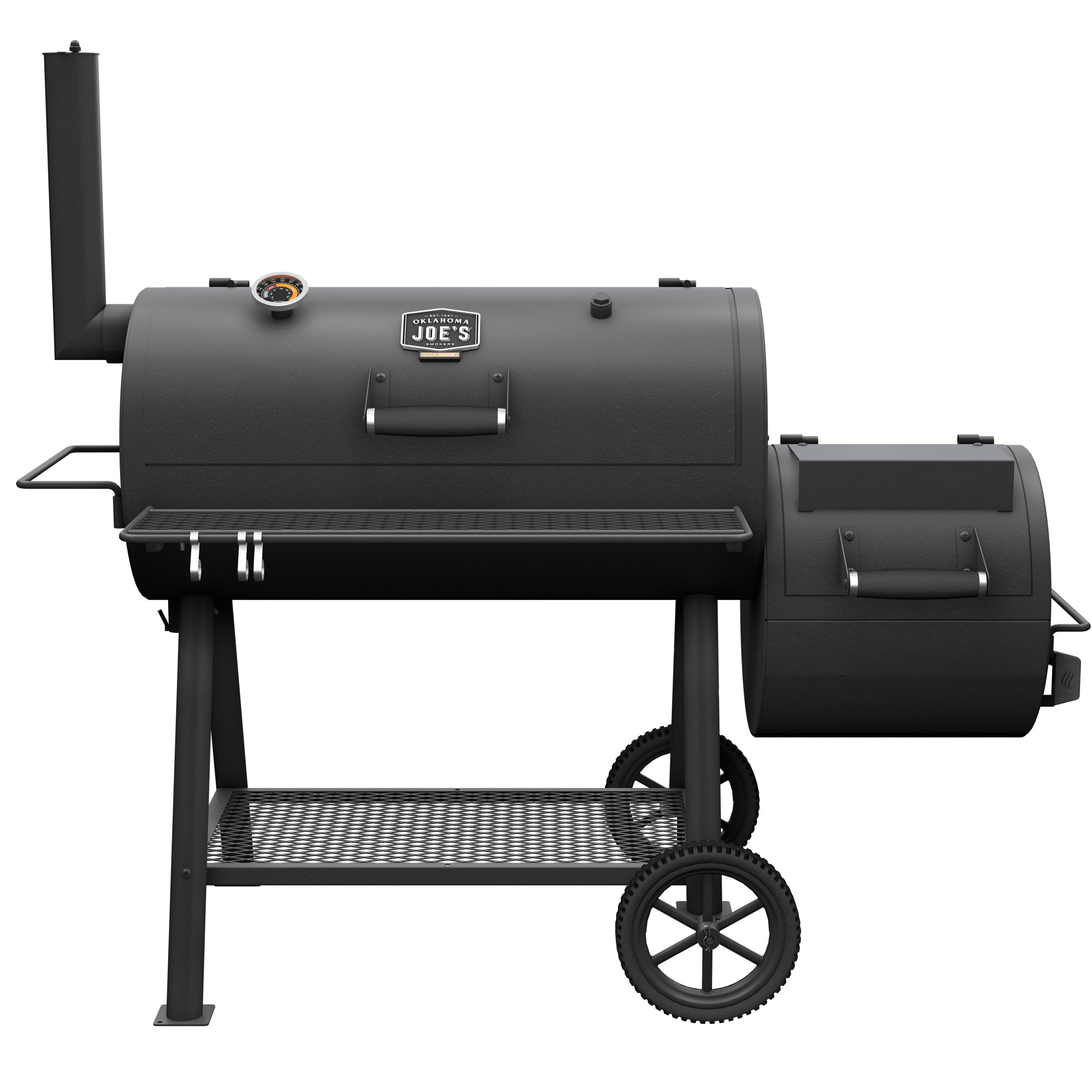
★ Start hereBest offsetOklahoma Joe's Highland OffsetA classic offset with a side firebox, for cooks who want to run a live wood fire for stick-burner flavor.
$329.99Price as of Nov 25, 2026, 7:53 PM ET. Details
Best electricMasterbuilt 30" Digital Electric SmokerSet the digital controller, add wood chips through the side loader and let it run, with no fire to manage.
$239.99Price as of Nov 25, 2026, 7:53 PM ET. Details
Best set-and-forgetEAST OAK 30" Electric SmokerA 30-inch electric smoker with a side chip loader, a built-in meat probe and automatic keep-warm once the cook is done.
$254.99Price as of Nov 25, 2026, 7:08 PM ET. Details
Pick the type first, then compare within it. If a pellet grill is on your list, our pellet grill guide goes deeper. Our beginner's guide to how to smoke meat covers the cook itself.
Smoker type
Electric smokers plug in and hold a set temperature. Pellet grills do the same with wood pellets and can also grill. Charcoal vertical (bullet) smokers are compact and simple but need vent adjustments. Offset smokers burn wood or charcoal in a side firebox and need the most attention. If you are new, start with the type that matches how you want to spend the afternoon. Fuel matters too: FSIS names hickory, apple or maple chips or flakes as giving the most satisfactory smoke flavor (USDA FSIS), so check which wood or fuel the smoker is built to burn.
Temperature stability
USDA FSIS advises keeping the smoker's air temperature between 225 and 300°F throughout, for cooks that take about 4 to 8 hours (USDA FSIS). Doors and lids that seal well, and vents that adjust precisely, make that window easier to hold. Check the listed temperature range for electric and pellet models.
Capacity
Vertical smokers stack food on several racks; offsets spread it across one long grate. Compare total cooking area and rack count, then check whether the racks are spaced tall enough for a whole bird or a pork shoulder. Leave room around the food so air and smoke can move, and read how many racks the maker lists before you assume a full load will fit.
Fuel convenience
FSIS gives a rule of thumb for charcoal smokers: about 15 briquettes an hour after the first load (USDA FSIS). Electric smokers need an outlet; pellet grills need both an outlet and a full hopper. Choose the refill routine you will actually keep up overnight.
Water pan and drip management
FSIS recommends keeping a water-filled drip pan in the smoker to catch fat and prevent flare-ups (USDA FSIS). Check whether one is included and how easy it is to reach and refill during a cook.
Food-safe build
FSIS warns against makeshift smokers such as galvanized steel cans, which can contaminate food with chemical residue (USDA FSIS). Buy a smoker made for cooking and check the materials listed for the body, racks and water pan.
Tips for using your smoker
Use two thermometers: one in the food and one for the smoker's air temperature (USDA FSIS). A wireless thermometer with an ambient probe covers both.
Thaw meat completely in the refrigerator before it goes in the smoker; thawing in the smoker keeps it in the 40 to 140°F danger zone too long (USDA FSIS).
Refrigerate leftovers within 2 hours of taking food off the smoker (USDA FSIS).
Brush sauce on only in the last 15 to 30 minutes of the cook, so it does not burn (USDA FSIS).
Marinate in the refrigerator, and do not reuse a raw-meat marinade on cooked food unless you boil it first (USDA FSIS).
FAQ
What temperature should I smoke at?
FSIS puts the air inside the smoker between 225 and 300°F for the entire cook, which lasts about 4 to 8 hours (USDA FSIS).
How many thermometers do I need?
Two: a probe in the food and a second one that reads the air in the smoker. Plenty of smokers already include the second (USDA FSIS).
Which wood gives the best flavor?
For the most satisfactory smoke flavor, FSIS recommends chips or flakes of hickory, apple or maple (USDA FSIS).
Can I make a smoker from a metal can?
No. FSIS cautions against makeshift containers such as galvanized steel cans, because chemical residue can end up in the food (USDA FSIS).